It’s not uncommon for kids growing up on farms and ranches to climb a pasture gate they were told to stay off of, and hop down to poke a stick in the irrigation canal on the other side. This year, 920 Idaho fourth graders, most around 9 and 10 years old, got a closer look at what can go wrong in those places and why their parents kept saying no.
The Injury Prevention team at St. Luke’s Children’s Magic Valley recently wrapped up its 2026 Ag Safety camps. St. Luke’s is an Idaho-based health system, and Magic Valley is a farming region in the south-central part of the state in the western U.S. The four events were held across Idaho and funded by a grant from Simplot. Students from rural schools rotated through hands-on stations led by the Injury Prevention team, local agriculture professionals and 298 members of local FFA chapters. FFA is a U.S. student organization focused on agriculture and leadership.
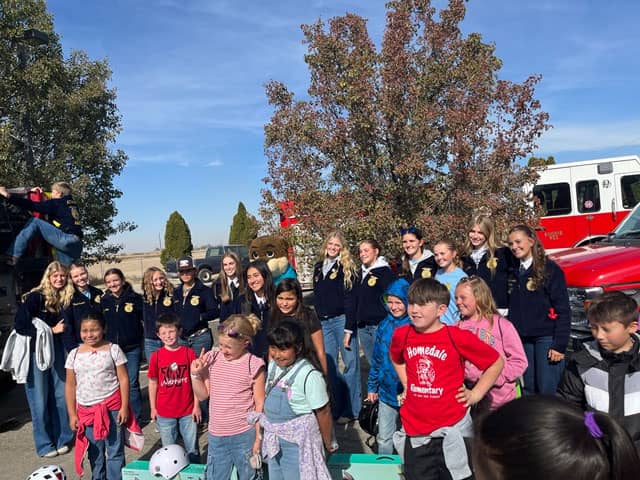
At the water station, students tried on several kinds of life jackets. Then they practiced what to do when someone is pulling them out of the water, and what to do when they’re the one doing the pulling. Nearby, presenters explained the dangers hiding in irrigation canals and showed students how to ride in an off-highway vehicle safely. They also covered good manners on the trail and how to pick the right helmet for whatever sport or activity comes next.
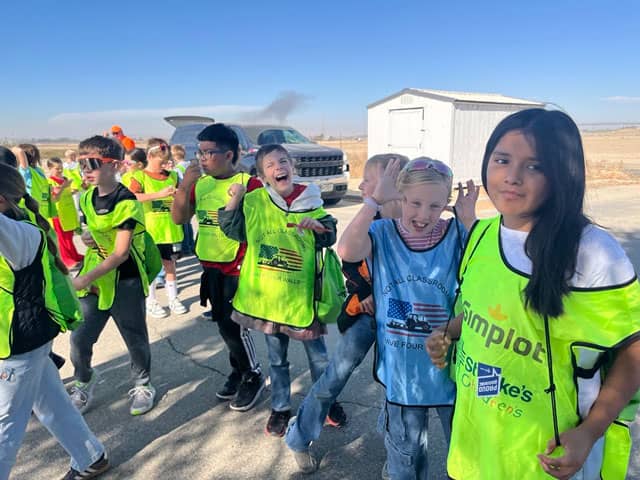
The farm stations were honest with students about the risks. One demonstration featured a power take-off shaft, the spinning bar that carries power from a tractor to the equipment hooked up behind it. Students watched how quickly it can catch a loose sleeve and pull someone in. Another showed how grain stored in a silo can shift like quicksand and swallow a person. Students also heard about hunter safety and range management, which means taking care of the open land where livestock and wildlife graze.

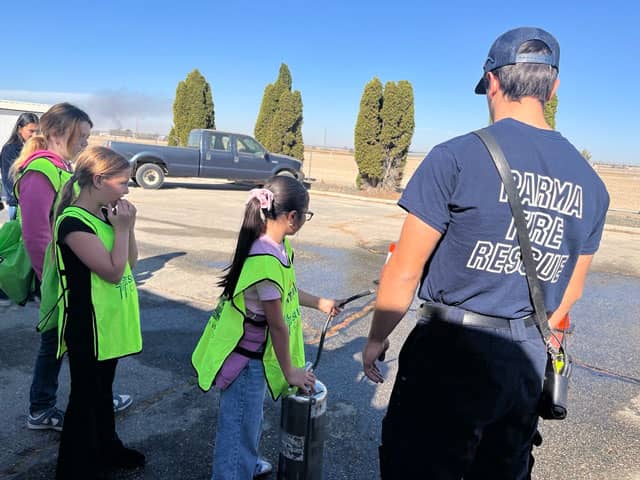
Participants learned why gates and fences are there for a reason, where electrical hazards tend to hide and how to walk up to an animal without startling it. At the emergency preparedness station, students learned what to do when something goes wrong, picked up basic first aid and took turns practicing with a fire extinguisher.
The day ended on a tastier note. Students learned where food comes from by shaking cream until it turned into butter and grinding wheat for pancakes they made themselves.
Running four camps took a lot of coordination. The Injury Prevention team worked with FFA chapters and local professionals to plan each event. They also made sure every presenter and FFA volunteer had snacks and lunch.
For Simplot, the program hits close to home.
“Partnering with this incredible program, which has the potential to save lives, reflects who we are as a company,” said Kristi Borgholthaus, community relations events specialist at Simplot. “The time and resources we invest in youth strengthen our communities and support a safer future for everyone, because the hope is that they’ll take home what they learn and share it with their families. I only wish this program had been around when my siblings and I were growing up on the farm.”
Next summer, the canals will run full again and the pasture gates will still be tempting. This time, 920 kids understand what’s waiting on the other side.